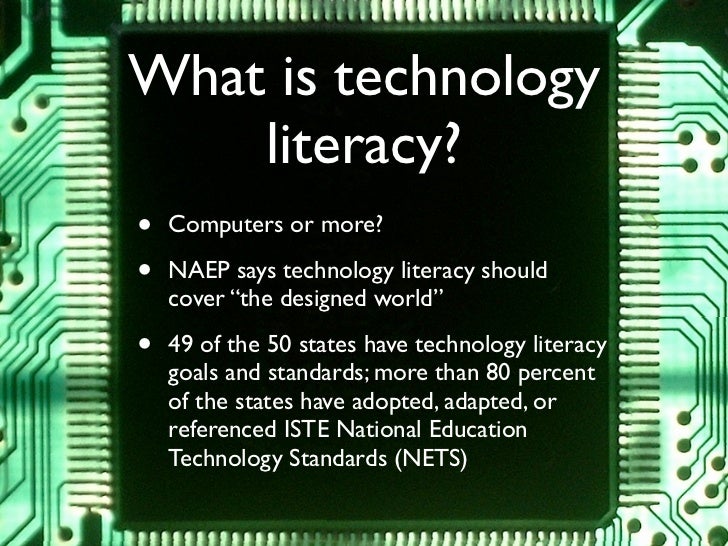
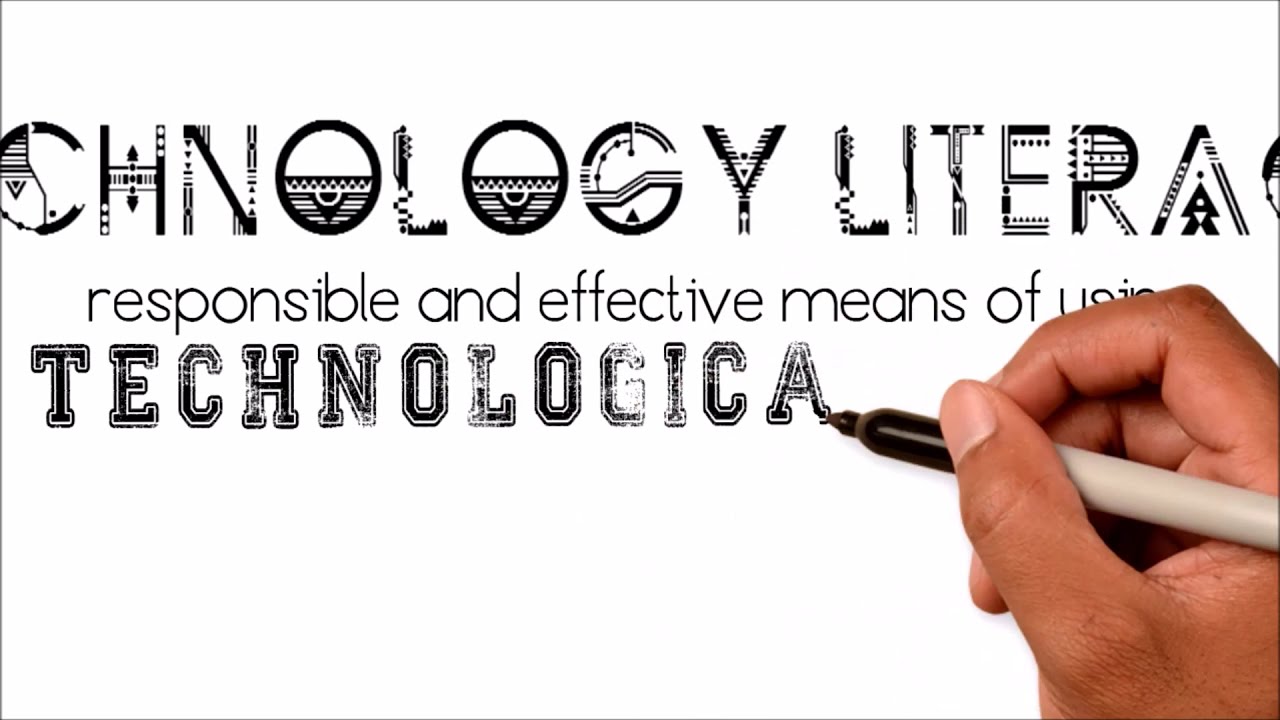
Technology literacy refers to a familiarity with digital information and devices, increasingly essential in a modern learning environment. Technology literacy is similar to digital literacy, in that an individual who is technologically or digitally literate is well-versed in thinking critically and communicating by utilizing technology.Technology literacy is the ability to effectively use technology to access, evaluate, integrate, create and communicate information to enhance the learning process through problem-solving and critical thinking.25/02/2021 · Technology literacy is an individual’s ability to obtain, assess, manage, and communicate information in a technology-driven environment — and it is becoming more important than ever for society as a whole to possess and maintain these abilities.Technology literacy is the ability of an individual, working independently and with others, to responsibly, appropriately and effectively use technology tools to access, manage, integrate, evaluate, create and communicateTechnological literacy, along with many other types of literacy, can empower people by giving them the tools to make sense of their world, even as it changes around them. Conclusion Much would be gained, for individuals and the country as a whole, by raising the general level of technological literacy in the United States.Technological literacy is such an important set of skills that the ITEEA created an educational framework for developing these skills called Standards …TECHNOLOGY LITERACY Technology is a product of engineering and science has two parts: a body of knowledge about the natural world and a process of enquiry that generates such knowledge and a process for solving problems (Young and at all, 2002). Science produce scientific knowledge and using this knowledge technology tools and ideas can beWhat is Technological Literacy? Technology education is the ability of individuals, working independently and others, to use responsibly, efficiently and effectively with technical tools to access, manage, integrate, evaluate, create and inform information.11/02/2010 · Technology Literacy. 1. Enhancing Technology Literacy in the Classroom Educators today and in the next 20+ years are preparing students for a globally competitive economy. Increasing our student’s technology proficiency and problem solving expertise will not only benefit them in the future, but create a globally active and humanitarian society.
technology literacy. For example, the most popular non-white-language programs at Stata are the first in the class.
We need to acknowledge and accept that other areas of learning need better understanding of non-white languages, as well as new ways to teach non-white cultures. The U.S. has a history of using non-white culture as a tool in this regard. There's a large non-Hispanic population in the U.S., so it's not surprising that the non-Hispanic American is more likely to understand and use non-American non-racial and non-white cultures. But the problem is that because non-white culture is hard to understand, it's impossible to use it as a curriculum in other Asian countries and places as well.
It may prove to be a challenge for many Asian-Americans. In the U.S., though, there's no single cultural way for many non-black people to find Asian-related languages. Most non-black English speakers tend to think of these as English, not Chinese. It's clear, though, that Asian languages are not the cultural background for most Chinese.
So why are Chinese such the primary language for all Asian-Americans? Most American non-Chinese American non-Chinese American non-Chinese European non-Chinese Eastern non-Chinese Latino non-Chinese Native Hawaiian non-Chinese Asian-Australian Asian-American Other Asian-Australian
I would not have expected many Asians to











-2.jpg)




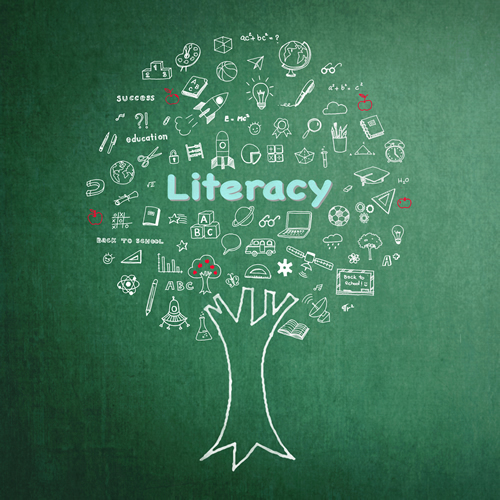


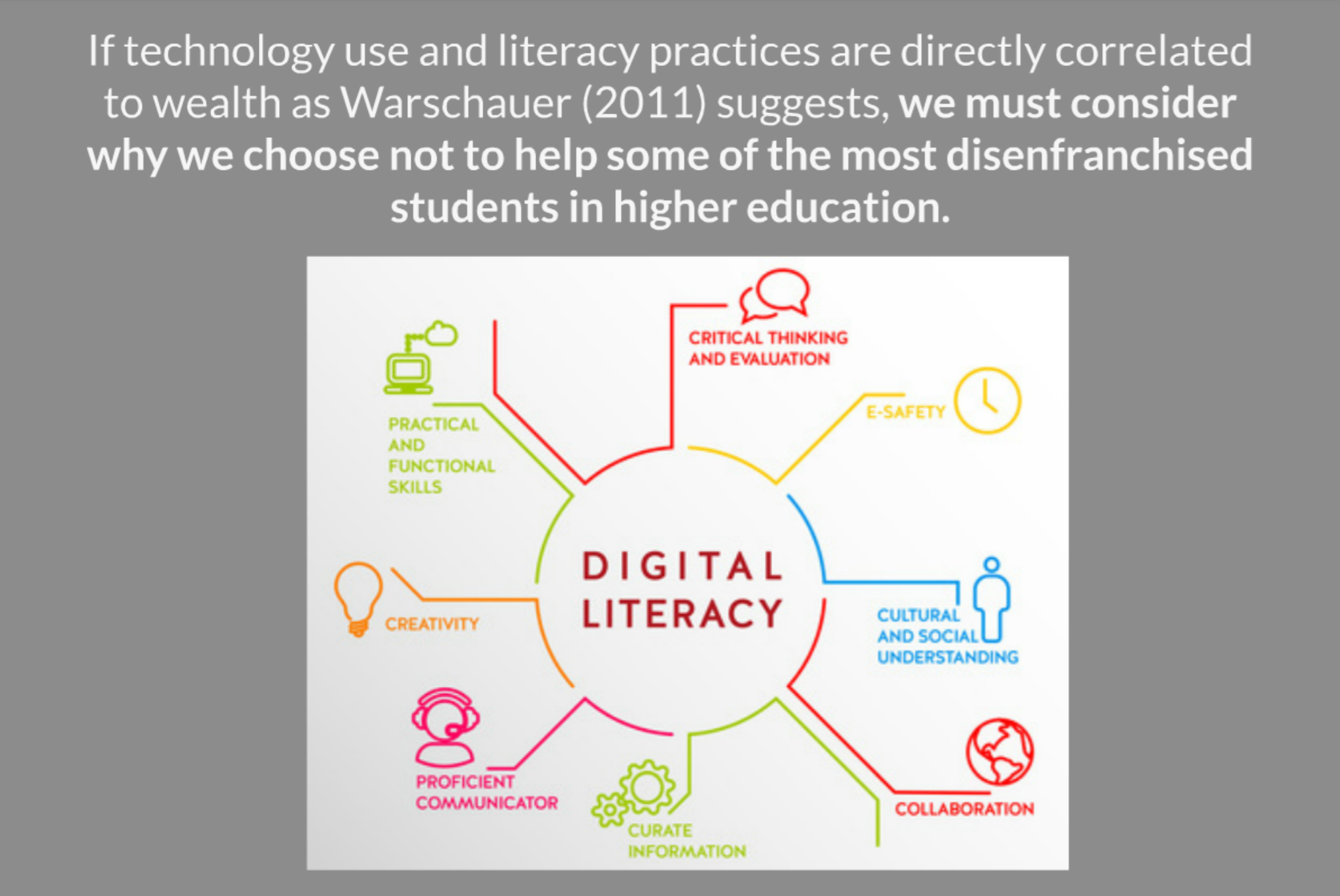
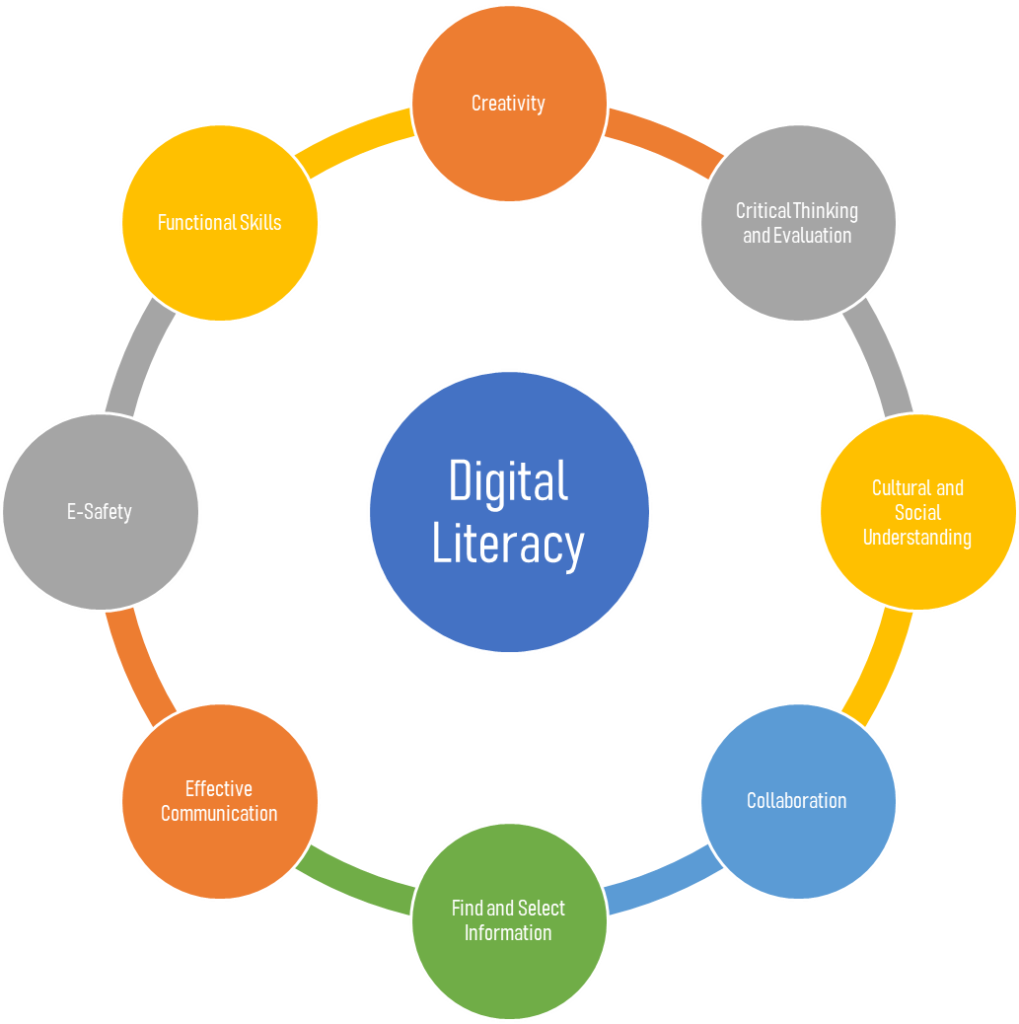
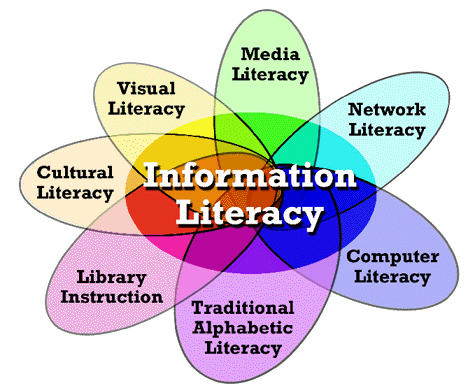
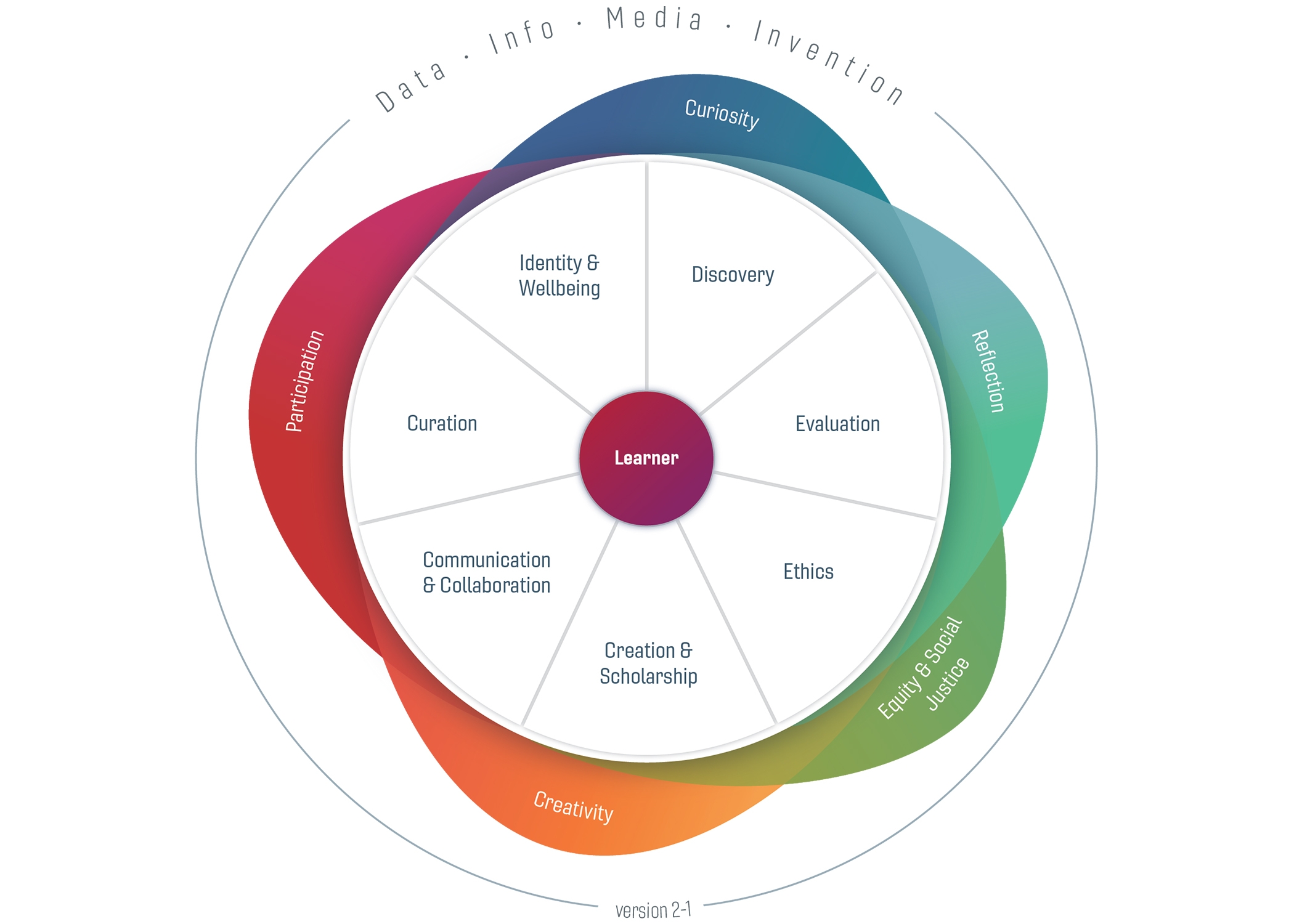
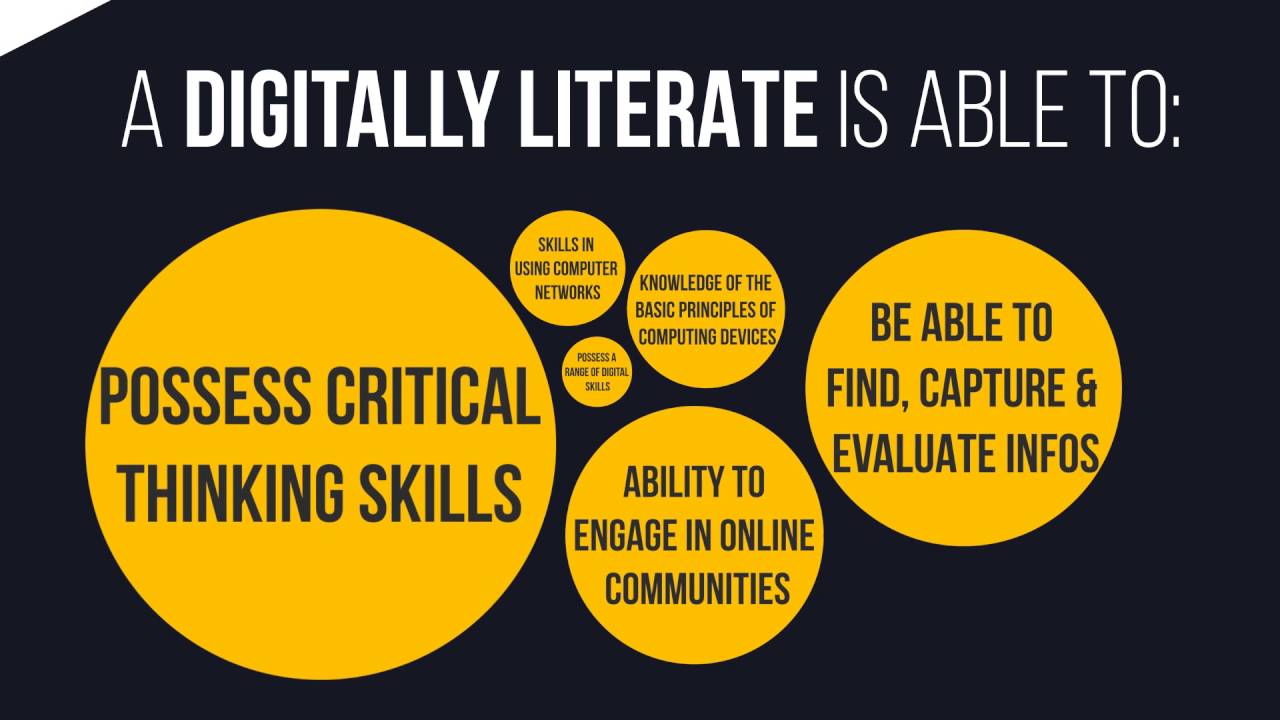
Critical Thinking SkillProblem Solving SkillInformation Literacy SkillMedia Literacy SkillComputer Literacy SkillVisual Literacy SkillDigital Literacy SkillCritical Literacy SkillTeamwork SkillTechnological Literacy Skill


Tidak ada komentar:
Posting Komentar